Image

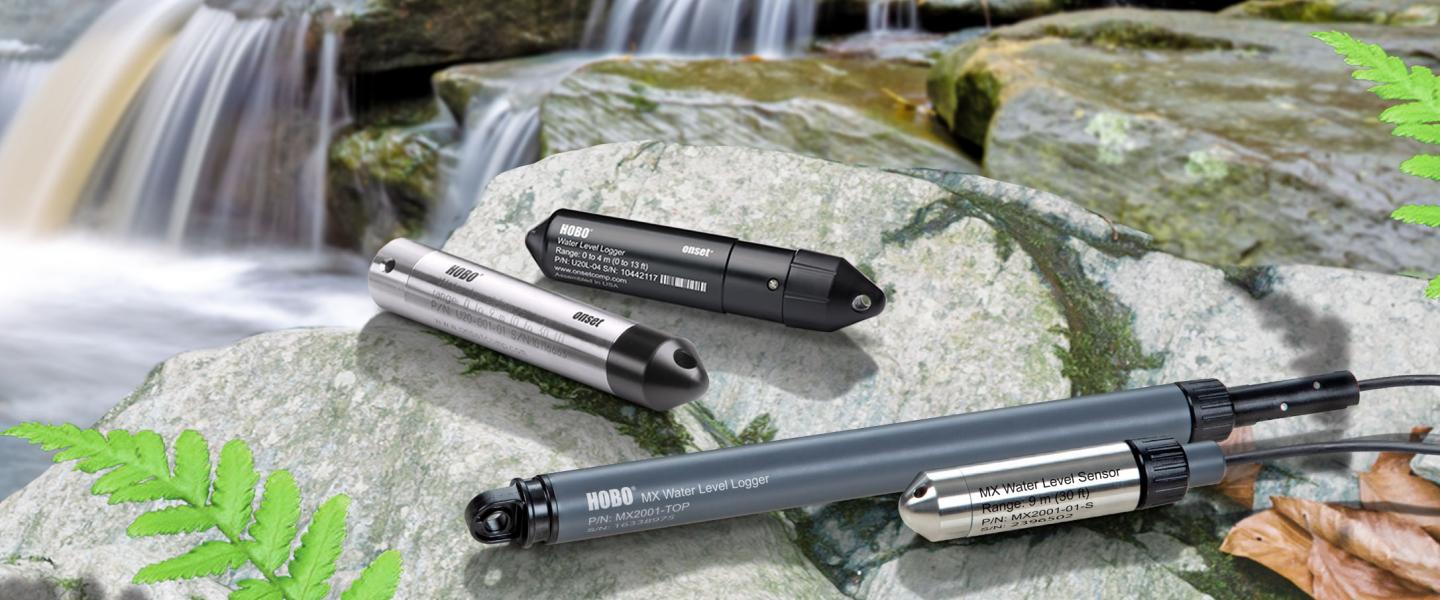
Across many fields, tracking water level is more critical than ever to mitigate the impacts of climate change and meet our ever-increasing demand for water. Known for their ease of use, reliable performance and affordability, versatile HOBO data loggers are the trusted tools to help you protect and manage water resources and ecosystem health by monitoring water levels, from agriculture to aquatic ecology.
|
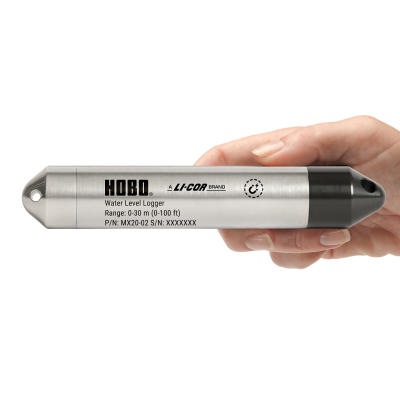
MX20-0x
|
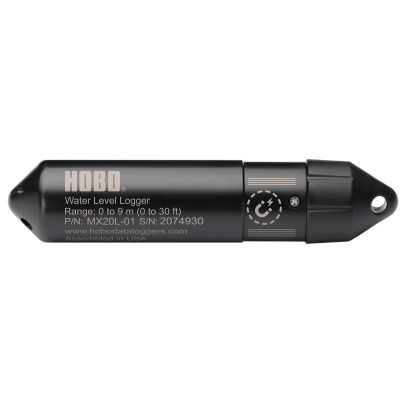
MX20L
|
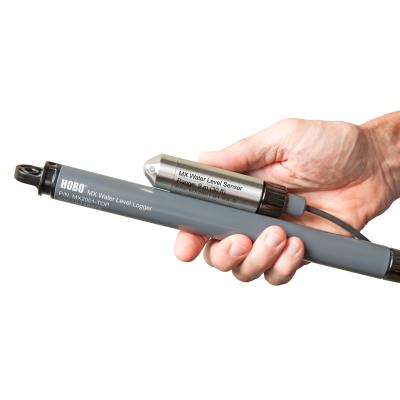
MX2001
|
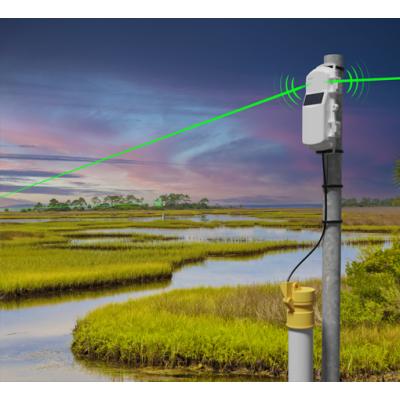
HOBONET-WL
|
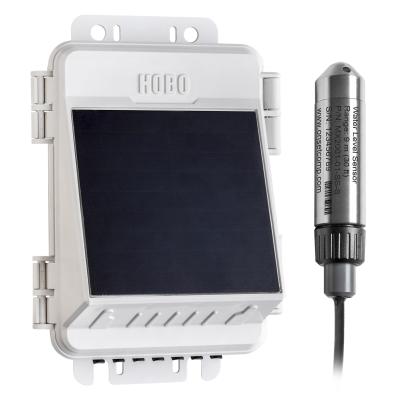
RX2100-WL
From $850.00 USD
|
|---|---|---|---|---|---|
Top Benefits |
Industry-proven logging | Easy, low-cost logging | Premium accuracy + onsite post-processing | Wireless mesh monitoring & alerts | Real-time Data & Alerts, Plug & Play Water/Climate Sensors |
How you get data |
Bluetooth to phone or computer | Bluetooth to phone or computer | Bluetooth to device without removal | LI-COR Cloud dashboard | LI-COR Cloud |
Accuracy (dependent on depth) |
±0.05% FS | ±0.1% FS (all depths) | ±0.05% FS | ±0.05% FS | ±0.05% FS |
Power |
Very long battery life | Very long battery life | Replaceable batteries | Solar + battery | Solar + battery |
Material |
Stainless or Titanium | Polypropylene | Stainless or Titanium | Stainless or Titanium sensor | Stainless or Titanium sensor |
Pressure compensation |
Additional MX20L | Additional MX20L | Built in | Built in | Built in |
|
View product | View product | View product | View product | View product |
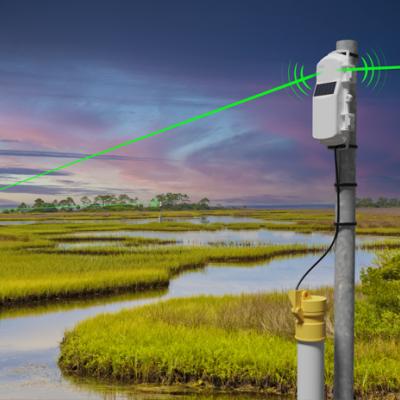
Streamlined water level monitoring and management with a breakthrough IoT remote wireless solution
Access your water level data from the cloud and receive real-time alerts
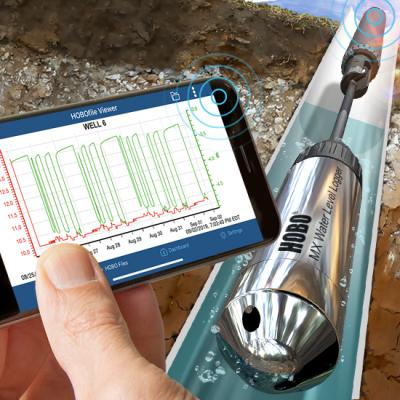
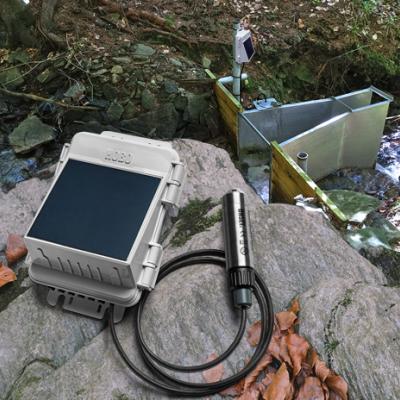
Collect CT, CTD & DO data over time, then wirelessly download to your mobile device or Windows computer
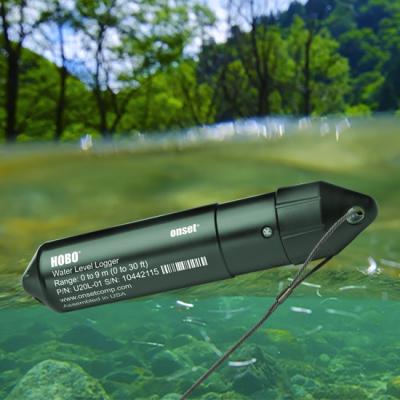
Easy-to-use, affordable, self-contained loggers known for their dependable performance
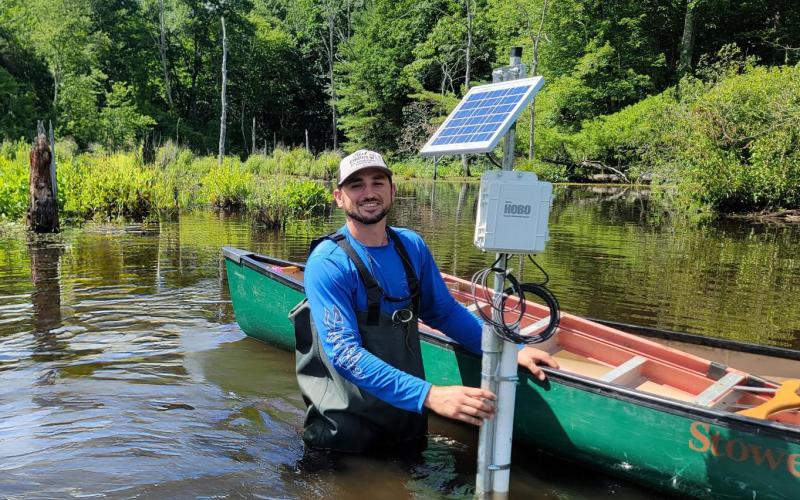
Learn about our time-saving remote water level monitoring solution! Accurately track water level across sites using a sensor network that sends data to a remote station and LI-COR Cloud, a robust software platform featuring customizable dashboards, alerts, and more.
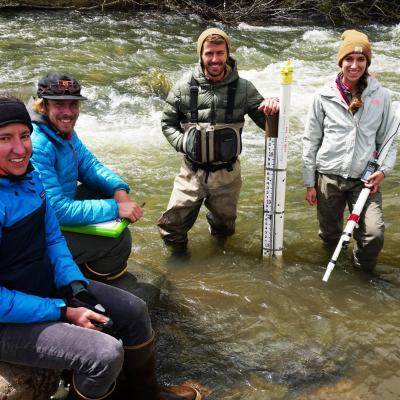
HOBO water level loggers use a submersible pressure transducer to measure the weight of the water column above the sensor (absolute pressure). Because barometric pressure also affects readings, a separate reference is used for barometric pressure, which is handled directly or through a dedicated workflow in HOBOconnect, depending on your water level logger. This built-in compensation is used to subtract atmospheric pressure, yielding an accurate water level (gauge pressure) reading. Temperature compensation is built into HOBO sensors to prevent thermal drift from affecting readings — essential for long-term deployments.
HOBO offers five main water level options:
HOBO water level logger accuracy varies by model: the MX20 and MX2001 achieve ±0.05% FS (full scale), which translates to ±1.5 mm for a 3-meter range sensor — sufficient for most research and compliance applications. The MX20L offers ±0.1% FS. All sensors include temperature compensation. For comparison, competing products achieve similar ±0.05% FS accuracy, so accuracy is on par while HOBO offers the advantage of Bluetooth wireless offload.
HOBO water level loggers are used across: aquatic ecology and stream habitat studies, flood warning and stormwater management, groundwater and well monitoring, wetland restoration monitoring, irrigation channel and reservoir management, tidal and coastal research, dam safety monitoring, and regulatory compliance reporting. Their submersible, battery-powered design makes them ideal for extended unattended deployments in remote water bodies.
Yes, indirectly. Pre-programmed water flow formulas for select weirs, flumes, and a stage discharge table allow easy and intuitive configuration. By measuring water depth at a stream or channel cross-section with a known geometry, flow rate (discharge) can be calculated using a stage-discharge relationship or a standard hydraulic formula (Manning's equation). HOBO's white paper "Monitoring Flow with Water Level Loggers" provides a best practices guide for setting up water level loggers to derive flow data. HOBOware Pro's Water Level Data Assistant also automates barometric compensation and level-to-depth conversions.
Battery life varies by model and logging interval. All loggers provide a power saving mode to further extend deployment time. The MX20 features a multi-year (user-replaceable) battery life with the ability to extend based on logging interval. The MX2001 has replaceable batteries designed for multi-year deployment. The MX20L has a very long non-replaceable battery life. All are optimized for long unattended deployments — a critical requirement for seasonal or multi-year hydrological studies where frequent site visits are impractical. The HOBOnet wireless system uses solar-powered stations for continuous operation.


