Image

What is your current occupation?
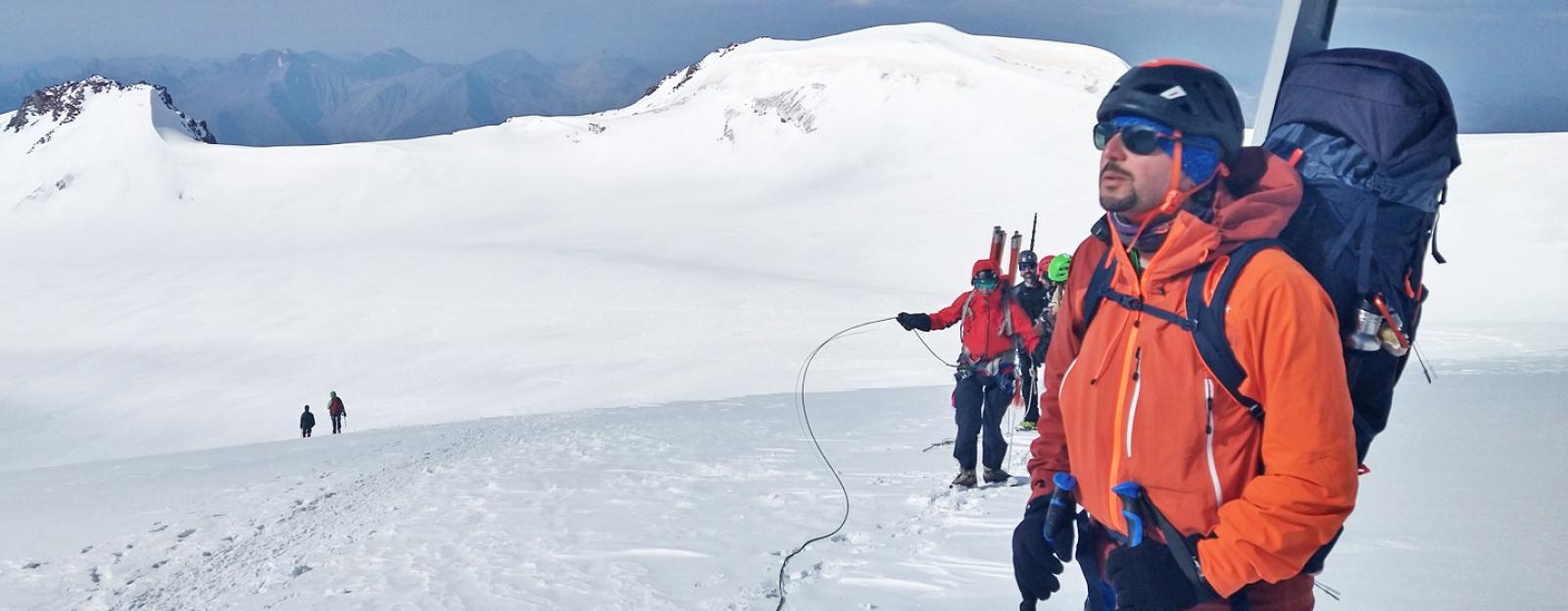
I am currently an Assistant Professor at the Bartlett College of Science and Mathematics, Bridgewater State University (BSU), Massachusetts. In parallel, I serve as a Professor at Ilia State University (ISU) in Tbilisi, Georgia. I also co-lead several international initiatives, most notably the Caucasus Crossroads Core - Climate Change and Culture Connections (7C) Consortium, which investigates the intersections between climate change and human-environment interaction in the Caucasus region. My academic roles are complemented by active participation in multidisciplinary, cross-continental research collaborations that span the Earth and Environmental sciences, Archaeology, and Geoinformatics.
Please tell us a little bit about yourself.
I was born in Georgia in 1976 and have pursued a lifelong interdisciplinary academic path, starting with a B.Sc. and M.Sc. in Mathematics and Applied Mathematics and Informatics. I earned my Ph.D. in Geophysics, with my early career rooted in seismology and geophysical monitoring, which evolved into a broader focus on environmental systems and climate dynamics. I’ve worked in diverse academic and research settings, including training and scholarships in University of Edinburgh, Massachusetts Institute of Technology (MIT), and Bridgewater State University, and have taught both in Georgia and the United States. Outside of my academic pursuits, I’m deeply committed to mentoring students, developing international partnerships, and integrating science with community engagement and heritage conservation.
What is your area of expertise?
My core expertise lies in Earth and Environmental Sciences, with a specialization in geophysics, remote sensing and GIS, and complex environmental monitoring. I lead research projects focusing on climate change impacts, and paleoenvironmental reconstructions using ice cores, lake and peat sediment cores, and archaeological evidence. I also have extensive experience in design and deployment of environmental monitoring systems, especially in high-altitude and sensitive ecosystems like the Caucasus.
What is your primary motivation for doing the work that you do?
My work is driven by the global challenge of climate and environment changes and the need for robust scientific understanding to support mitigation and adaptation strategies. I believe that understanding the past changes in the environment, including human influence and adaptation, provides the key knowledge to better understanding future changes. My motivation also comes from a desire to bridge the gap between academia and society by ensuring that scientific research informs public policy and supports sustainable development.
What would you say is your greatest accomplishment?
Personally, I take great pride in mentoring dozens of undergraduate and graduate students across multiple countries, helping them shape impactful academic and professional paths. Professionally, one of my most significant accomplishments is the co-founding and leadership of the Caucasus Crossroads Core (7C) Consortium, an international research collaboration that integrates glaciology, archaeology, environmental science, and historical analysis. Through this consortium, we have initiated groundbreaking work in extracting and analyzing historic ice cores and sediment archives in the Caucasus region, contributing essential data to global climate science.
What do you strive to achieve in the future?
In the future, I aim to expand the reach and impact of the 7C Consortium, positioning the Caucasus as one of the key centers for climate and cultural heritage research. This involves research and educational initiatives as well as complex environmental monitoring networks, such as establishing a permanent high-elevation meteorological observation network on the selected glaciers of Greater Caucasus, with data integration into global climate analyses models. Retrieving a deep glacial ice core and reconstruction of the paleoclimate of the South Caucasus and neighboring regions of Black Sea, Near East, and Caspian would be another significant achievement. Last but not least is the integration of student-led research into these broader, multidisciplinary initiatives. I firmly believe that learning through research is fundamental to developing the next generation of scientists.
Have you ever thought about the name HOBO and what it might mean?
Yes. At first, the word “hobo” brings to mind a vagrant or wanderer, someone constantly on the move. HOBO evokes a spirit of mobility, independence, and ruggedness, which aligns perfectly with the demands of field-based environmental science. From my own experience, HOBO monitoring products embody these very qualities. They are resilient, autonomous, and compact, making them reliable tools for our missions in extreme and remote locations.
What HOBO monitoring products do you use on a regular basis?
I have nearly ten years of experience using RX3000 Remote Monitoring Stations and RX2100 MicroRX Stations with a full set of meteorological sensors to monitor temperature, humidity, and solar radiation at various locations connected to cultural and natural heritage sites. These tools are also instrumental in our elevation-dependent climate research, especially within the GEO Mountains-supported real-time monitoring network we are developing right now on the Gergeti Glacier (Mt. Kazbegi).
Please describe a specific project of yours where HOBO data loggers played a key role.
HOBO data loggers are central to our ongoing project titled “Expanding Real-Time Meteorological Observations in the Greater Caucasus.” This project aims to establish a real-time meteorological monitoring network across varying elevations on Mount Kazbegi in the Greater Caucasus. The project will gather essential altitude-dependent climate data to support glaciological research, natural hazard forecasting, paleoenvironmental reconstruction, and regional climate modeling. It is a collaborative effort under the 7C Consortium, involving Ilia State University, the University of Maine, and local partners, and emphasizes student engagement, open data access, and sustainable monitoring practices.
The Greater Caucasus is warming rapidly. Melting glaciers, shifting weather patterns, and rising natural hazards are affecting water security, ecosystems, and communities. Our project helps scientists better understand these changes and support adaptation efforts across the region.
What HOBO features do you consider most important?
Do you think accurate data can help you build a better tomorrow?
Absolutely. We are living in the age of big data, where advancing technologies allow us to monitor an unprecedented number of environmental variables with high precision. This digital data, when analyzed using sophisticated tools (including artificial intelligence) reveals hidden patterns and relationships that help us better understand the complex systems shaping the world we live in.
Accurate environmental data is the foundation of sound science and effective decision-making. It empowers researchers, policymakers, and communities to learn from the past and anticipate future changes, respond to emerging challenges, and design adaptive strategies that protect both ecosystems and human well-being.
In my work, accurate data is not just a research asset, it’s a tool for transformation. By expanding scientific understanding and sharing open-access data, we are actively building resilience and promoting sustainable development, particularly in vulnerable mountain regions like the Caucasus. With the right data, we can indeed build a better, more informed, and more resilient future.
Watch Mikheil's Webinar on Elevation-Dependent Warming
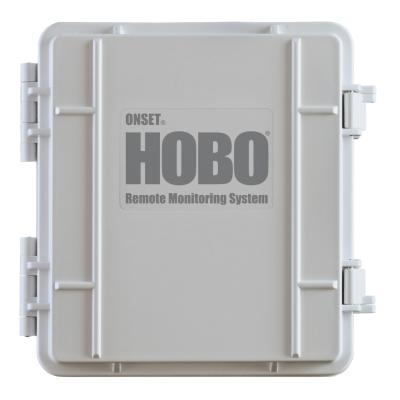
To monitor temperature, humidity, and solar radiation at various locations connected to cultural and natural heritage sites.
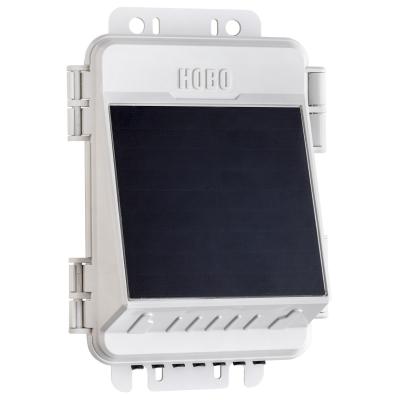
To monitor temperature, humidity, and solar radiation at various locations connected to cultural and natural heritage sites.