Image

The Aquatic Ecosystem Lab (AElab) at Taiwan’s National Chung Hsing University (NCHU) was tasked with establishing a measurement methodology for the carbon budget in aquaculture fishpond systems. The key parameters to be measured included respiration, production, and dissolved oxygen (DO) levels in the water. After relying on measurements obtained via time-consuming manual water sample collection and recording of DO levels, the AElab team recognized the limitations of this method, including resource constraints and infrequent measurements that could result in deviations from actual field conditions. This prompted the team to seek out a more efficient and accurate solution.
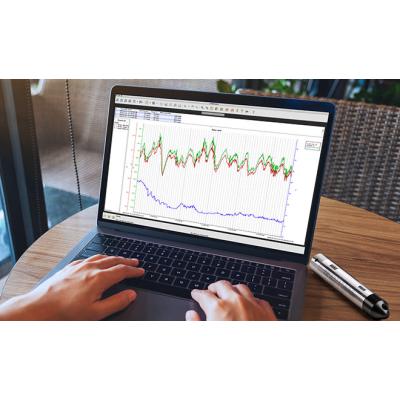
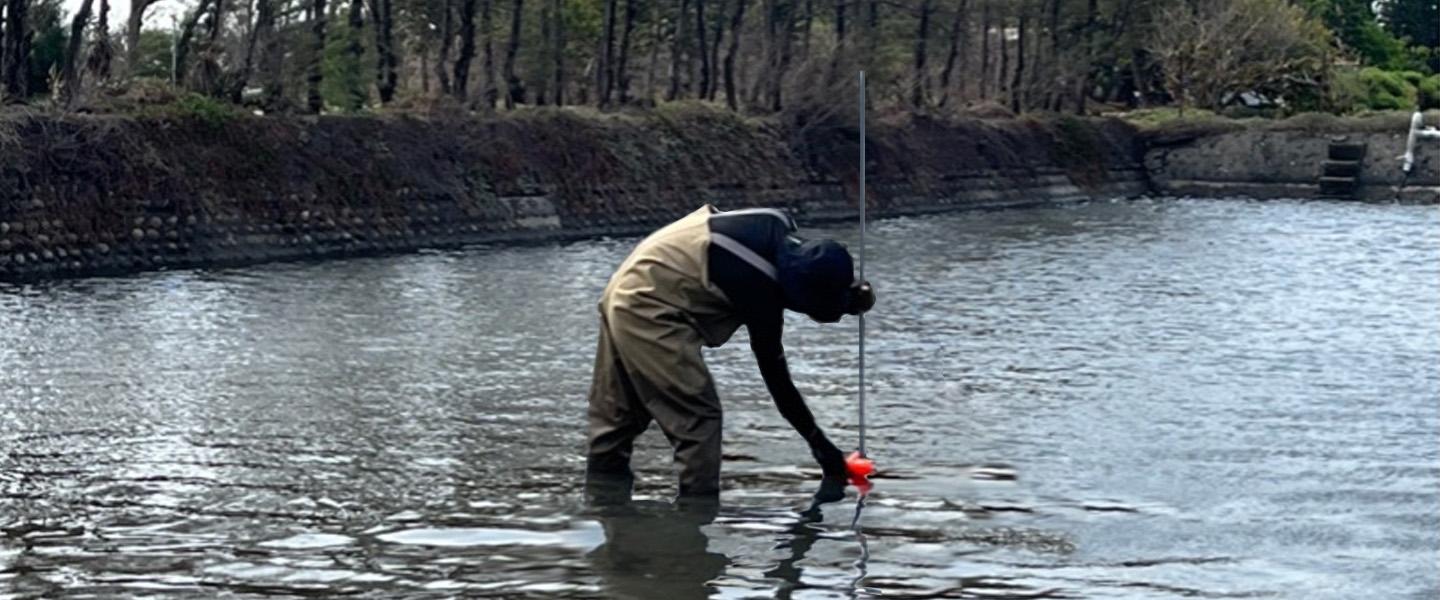
Based on its capability to provide continuous DO and temperature measurements over an extended period, the AElab team selected Onset’s HOBO Dissolved Oxygen Data Logger, an affordable, high performing logger with 0.2 mg/L accuracy, an optical USB interface for high-speed, reliable data offload, and a user-replaceable DO sensor cap. AElab also opted for HOBOware Pro software, a powerful data analysis tool that the team uses to configure and start its loggers and download data. For deployment of its HOBO DO loggers, the team installed PVC pipes in the soil of each fishpond at its test site and used straps to secure the loggers with attached floats that allowed the loggers to float up and down while remaining securely in place. Data retrieval occurs weekly, and the DO and temperature data are combined with meteorological data (wind speed and atmospheric pressure) and on-site water salinity measurements for comprehensive data analysis.
By continuously monitoring DO concentrations over extended periods (with measurements being recorded every 30 minutes) and performing weekly data downloads, the AElab team has the information it needs to calculate respiration and production parameters (significant contributors to the input and output in the carbon budget of fishpond systems), which allows for a more comprehensive carbon balance model. Based on the oxygen metabolism model proposed by Odum (1956), the team calculates gross primary production (GPP), ecosystem respiration (ER), and the net ecosystem metabolism (NEM) value of the aquaculture pond water, which is crucial for assessing carbon input and output in aquaculture ponds, particularly in the context of achieving net-zero emissions by 2050.
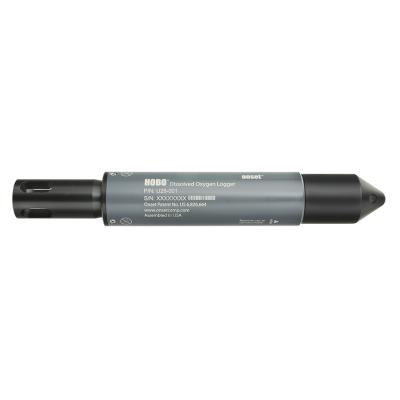
To measure DO concentrations and water temperature at aquaculture fishpond test sites