Image

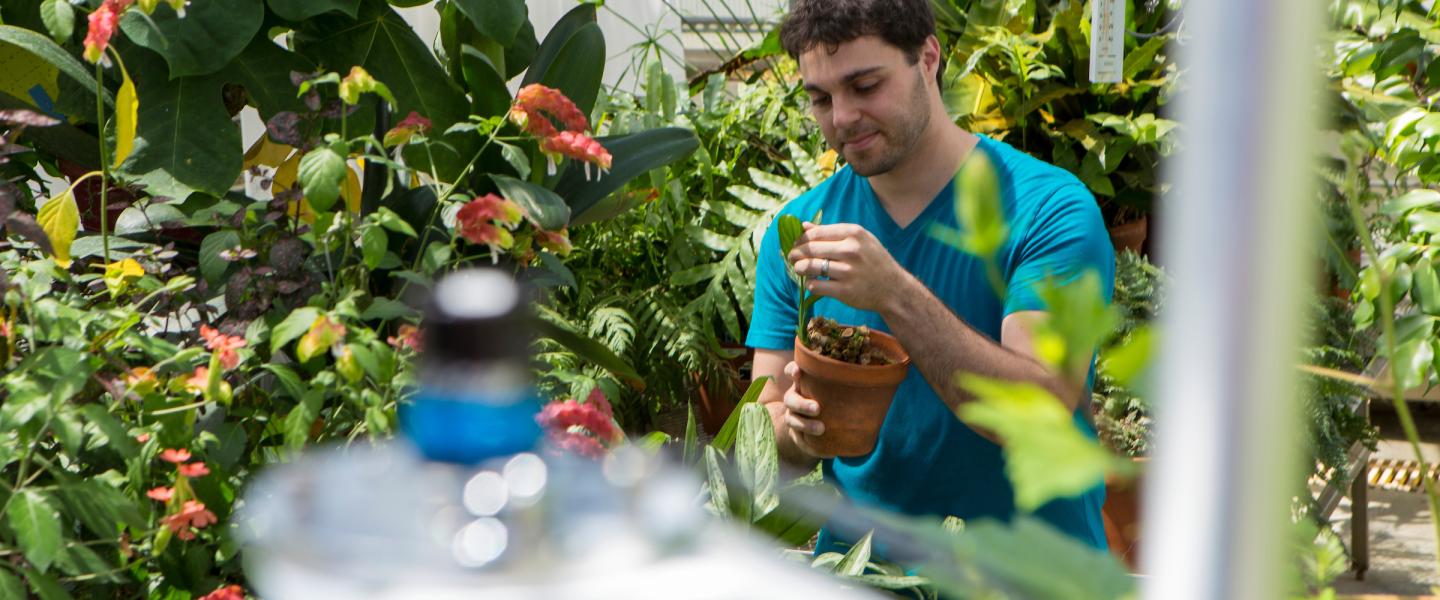
Accurate data and a deeper understanding of how light impacts your application can produce powerful insights and unlock innovative solutions. From commercial greenhouses and urban farms to building efficiency or stream ecological studies, measuring variables like solar radiation, light intensity, photosynthetically active radiation (PAR), spectral composition, and more can help you identify ways to optimize your operations, ideate solutions, and inform your decisions. Easy-to-use, affordable, and highly accurate, HOBO and LI-COR light monitoring sensors and connected IoT solutions like scalable HOBOnet sensor networks will amplify your efforts...and results.


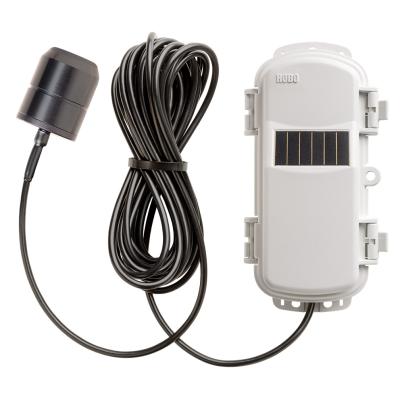

Amplify your monitoring by connecting your chosen sensors to a HOBOnet sensor network, which automatically sends measurements data straight to LI-COR Cloud monitoring software via an RX cellular station.
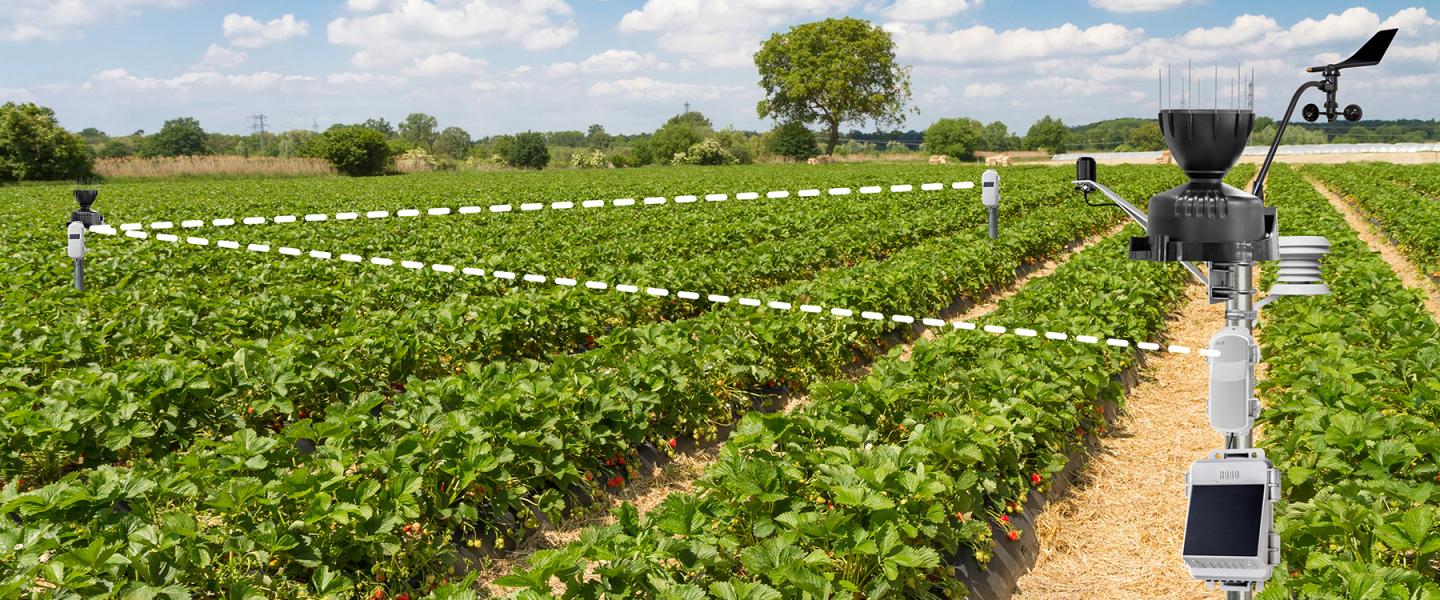

Radiation sensors measure the flux of radiant energy—the energy that drives plant growth, warms the earth, and lights our world. The properties of radiant flux depend on the wavelength of the radiation.

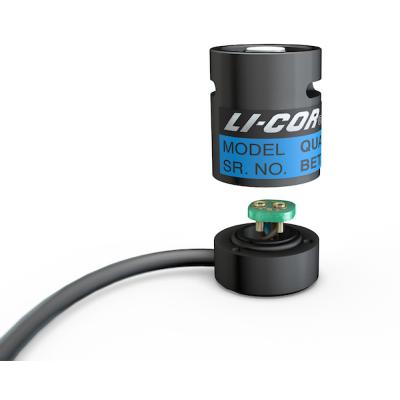
LI-COR sensors are weather resistant, low maintenance, and cosine corrected. From the shape of the crown to the photodiodes and optical filter glass, every aspect is the result of scientific inquiry.
HOBO and LI-COR offer three main types of light measurement:
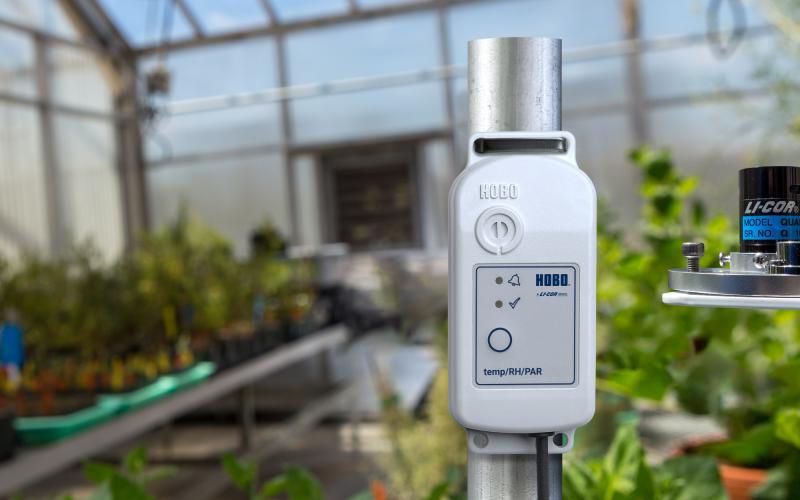
Daily Light Integral (DLI) is the total amount of PAR light received by a plant over a full day, measured in mol/m²/day. DLI is one of the most important metrics for greenhouse and indoor farm management — different crops have optimal DLI thresholds for flowering, yield, and quality. The HOBO MX2308 Bluetooth logger measures PAR, temperature, humidity, DLI, and VPD (vapor pressure deficit) together from one device, making it ideal for greenhouse monitoring.
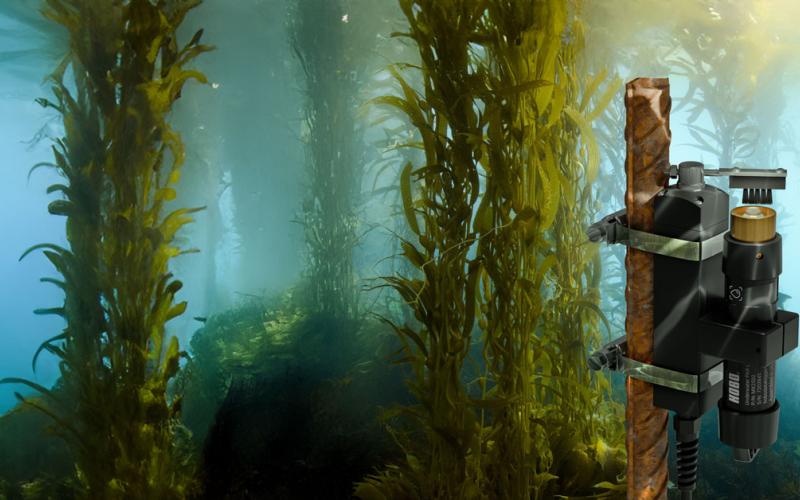
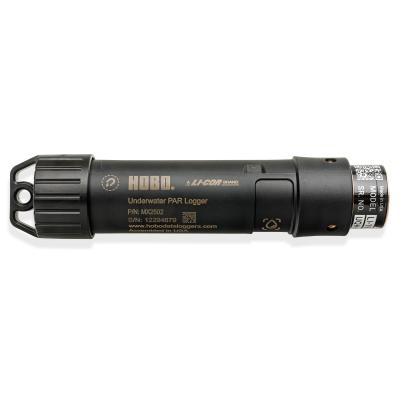
Yes. The HOBO MX2502 Underwater PAR Data Logger is specifically designed for submerged environments, delivering research-grade PAR, temperature, and tilt measurements using a waterproof LI-COR quantum sensor. It supports Bluetooth wireless data offload and is used for aquatic ecology, coral reef research, water quality studies, and underwater light attenuation monitoring. It operates in both above-water and underwater environments.
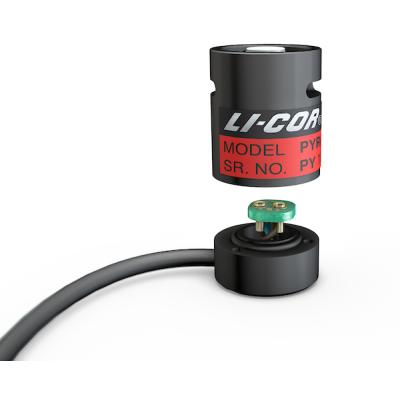
LI-COR PAR (LI-190R) and pyranometer (LI-200R) sensors connect to HOBOnet systems and RX stations via analog input adapters — either the wired Analog Module (RXMOD-A1) or the wireless Analog Mote (RXW-ANA). The LI-COR sensors come with bare leads and require a 2420 Amplifier to interface with either analog device. The Analog Mote also requires a HOBOnet Manager to receive the Mote's signal at the station. Alternatively, HOBO's own HOBOnet PAR sensor (RXW-LIA) and Solar Radiation sensor (RXW-LIB) are pre-configured wireless sensors ready to deploy directly into HOBOnet networks.
HOBO light monitoring is used across a wide range of applications:
Pyranometers are sensitive to the broadest waveband. Photometric sensors measure visible radiation (light). Quantum sensors measure Photosynthetically Active Radiation (PAR)—the radiant energy used in photosynthesis.