Image

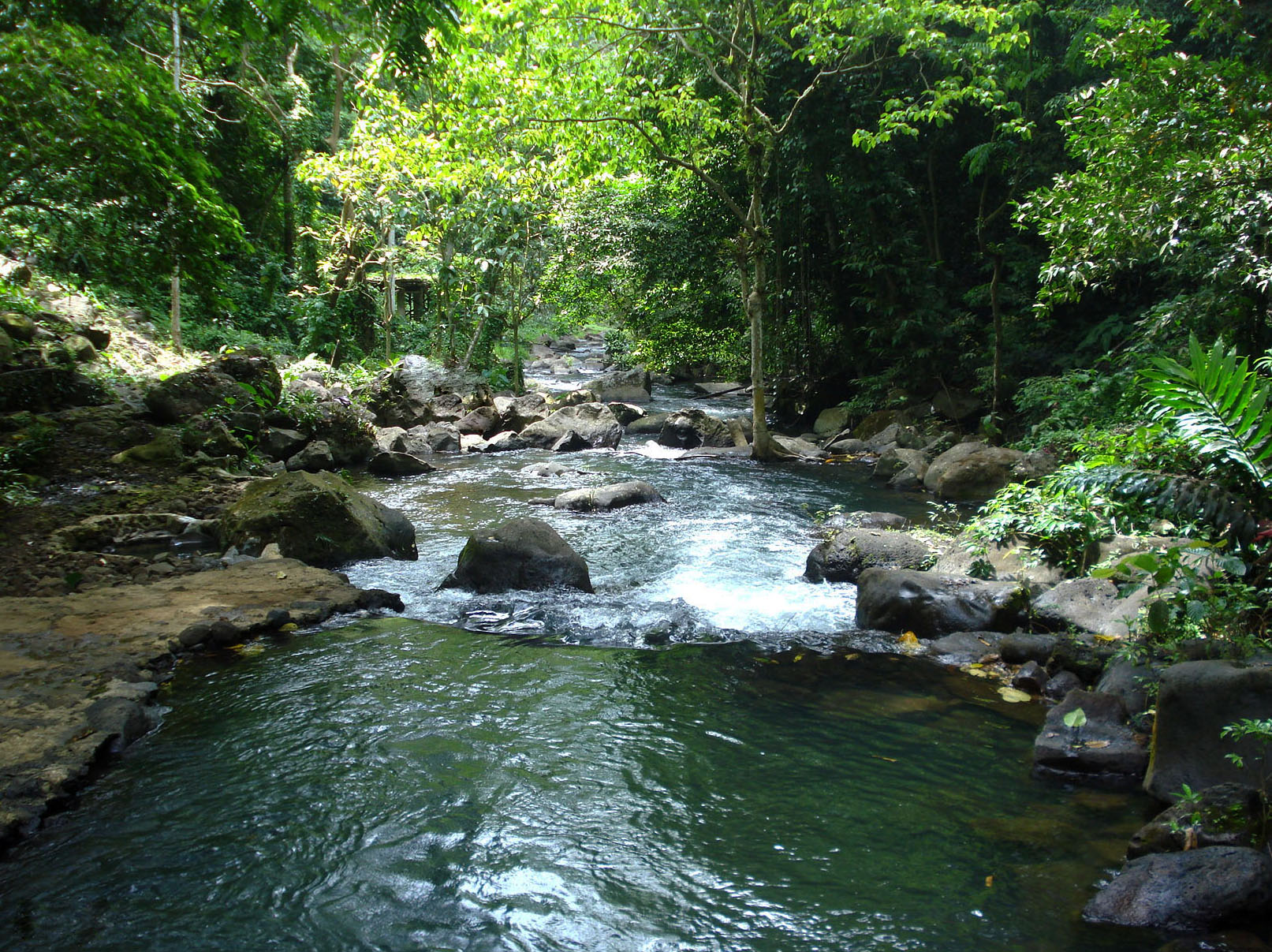
The term “metabolism” alone already tells us a lot: Understanding how a complex living system functions. A multi-faceted study to gauge the whole-stream health, stream metabolism monitoring integrates measurable information about biological activity, physical processes, and watershed influences to help assess the bigger picture—ultimately, how energy and carbon move through a stream ecosystem. For aquatic biologists, watershed advocates, and other stakeholders, capturing these dynamics offers a powerful, ecosystem-level lens for evaluating stream health, diagnosing stressors, and tracking change over time.
Stream metabolism can be determined/defined by three interrelated processes:
Used in combination, these processes indicate influences such as nutrient and light availability, temperature, hydrologic activity, and organic matter levels. Because metabolism responds to both natural influences (seasonal flow, canopy cover, temperature) as well as human pressures (nutrient enrichment, land-use change, flow alteration), stream metabolism has become a widely used indicator of a stream or river’s condition and resilience.
Traditional biological assessments to indicate stream health often rely on isolated snapshots: macroinvertebrate surveys, biomass measurements, or fish data, while of course valuable, these can miss short-term dynamics and may not capture how physical and chemical changes occur on daily and seasonal timescales.
Stream metabolism studies, by contrast, are inherently integrative, capturing continuous measurements of dissolved oxygen (DO), temperature, and light to allow researchers to characterize daily cycles of production and respiration.

Studying stream production and respiration cycles can offer insights into:
Because metabolism responds quickly to change, having this big picture perspective is particularly useful for evaluating—and executing—management actions.
Stream metabolism monitoring is data intensive. Reliable estimates typically require:
Historically, metabolism studies have been logistically demanding: collecting data from multiple single-parameter instruments, manually downloading data through disassembly and shuttles/ports, and, maybe the most intensive—frequent site visits. Over long study periods, across multiple sites, and for teams working with budget and time constraints— these challenges can limit spatial coverage and an ability to gather high-resolution data.
In addition, accurate metabolism estimates are crucial. These depend not only on sensor precision, but also confidence in the supporting data. While single-parameter loggers remain useful in many applications, newer multiparameter, Bluetooth-enabled systems are better aligned with the complexity and scale of modern metabolism studies.
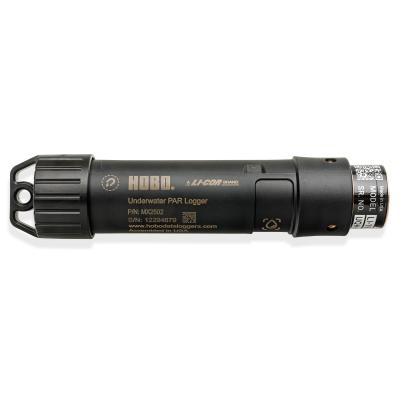
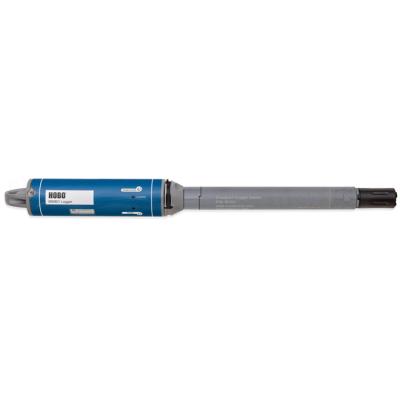
To meet the demands of this more complex monitoring scenario, innovative underwater data loggers are rising to the surface. With wireless data offload and an ability to measure multiple parameters with one device, monitoring tools with time-saving features streamline metabolism studies without compromising data quality. Multiparameter, Bluetooth-enabled HOBO® MX2502 underwater PAR loggers and MX801 loggers that simultaneously measure dissolved oxygen and temperature deliver a next generation solution for stream metabolism and other water monitoring initiatives.
Let’s take a look at how these modern multiparameter tools measure up:
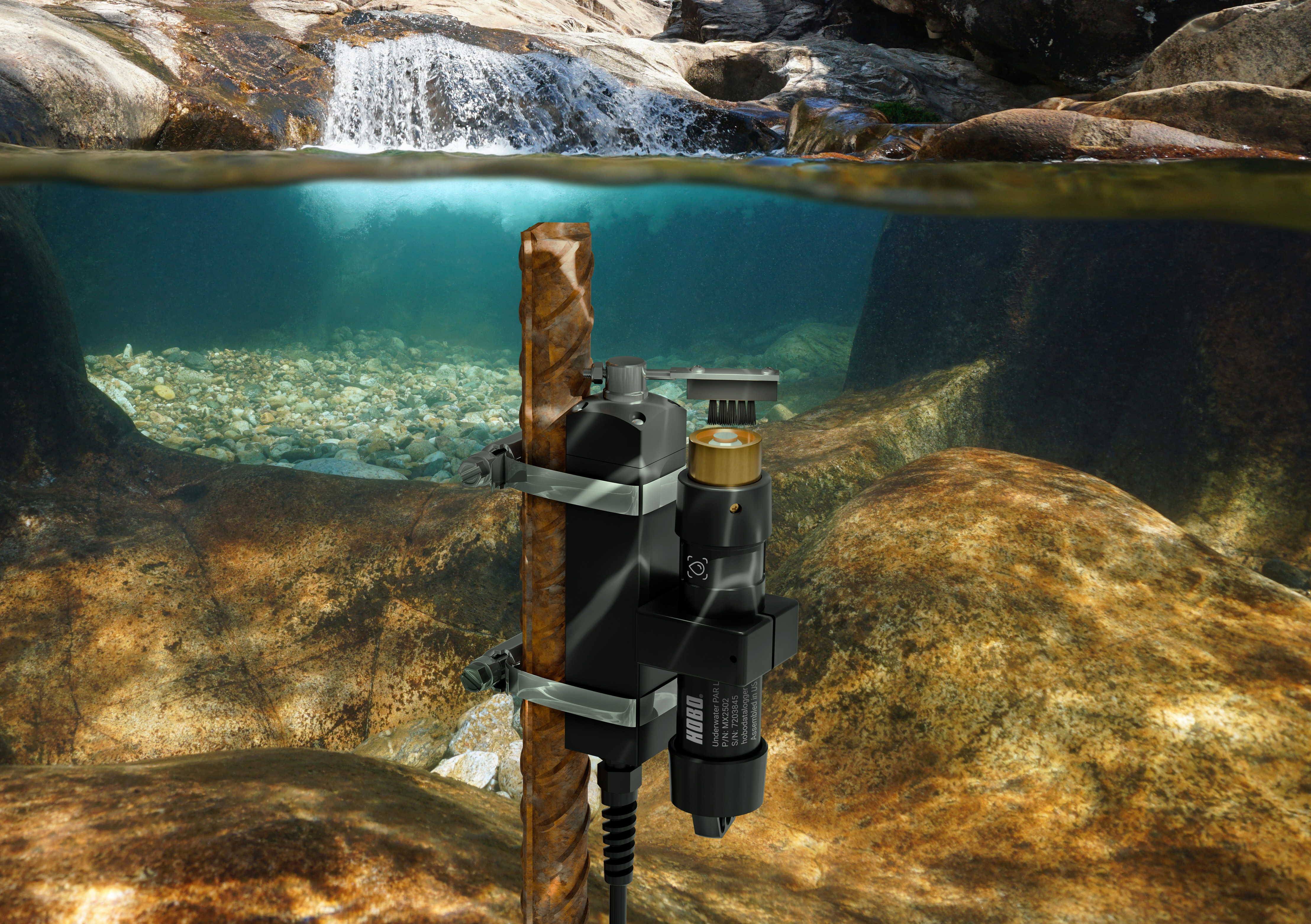
The most advanced PAR solution for water monitoring, rugged, waterproof MX2502 underwater PAR loggers feature an industry-leading LI-COR LI-192 Quantum sensor and Bluetooth data offload. Well-suited to long-term deployments, the MX2502 allows users to study the actual light environment experienced by primary underwater photosynthetic producers over time. Compared to surface light estimates or periodic spot measurements, this continuous underwater PAR data can improve confidence in GPP estimates—particularly in systems where turbidity, depth, or canopy cover vary over time.
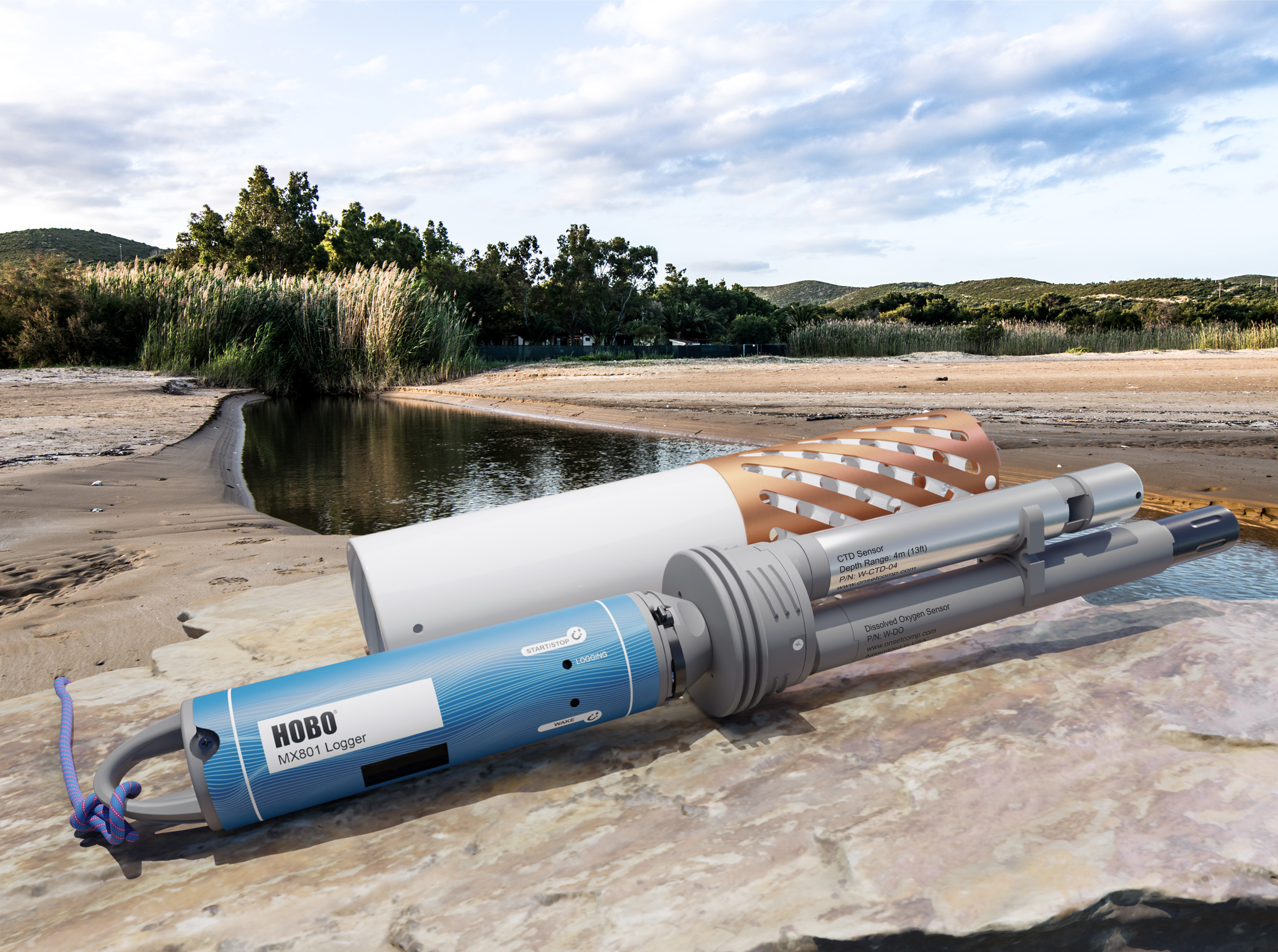
For metabolism applications, pairing dissolved oxygen with supporting measurements is essential. A compact, fully submersible base logger, the MX801 can be customized with sensors for dissolved oxygen and temperature, and a two-sensor adapter lets you add additional parameters like Conductivity and Depth (CTD). (Conductivity data, while not directly used in metabolism calculations, can provide valuable context for identifying groundwater inputs, storm events, or sensor anomalies.) This logger’s high-resolution DO, temperature and conductivity measurements give researchers a broader data set to better interpret oxygen dynamics.
See All of Our Water Monitoring Solutions
Traditional optical DO loggers typically require physical retrieval of the logger and opening them to offload data via a USB port. Bluetooth-enabled loggers allow researchers to download data with minimal effort, check sensor status, and configure loggers directly from a mobile device with minimal disruption.
As stream metabolism continues to gain traction as a core ecological indicator, monitoring tools like these are evolving to meet the needs of this complex application. It's important to acknowledge that more efficient data collection does not replace sound study design or careful analysis—but it does lower practical barriers. These advances in multiparameter and wireless loggers make it easier for aquatic researchers to focus more on interpretation, instead of logistics. We at HOBO like to think we're supporting better science—by providing reliable data that simplifies the data collection process, and giving researchers like you more time to look into answers.