Image

What is your current occupation?
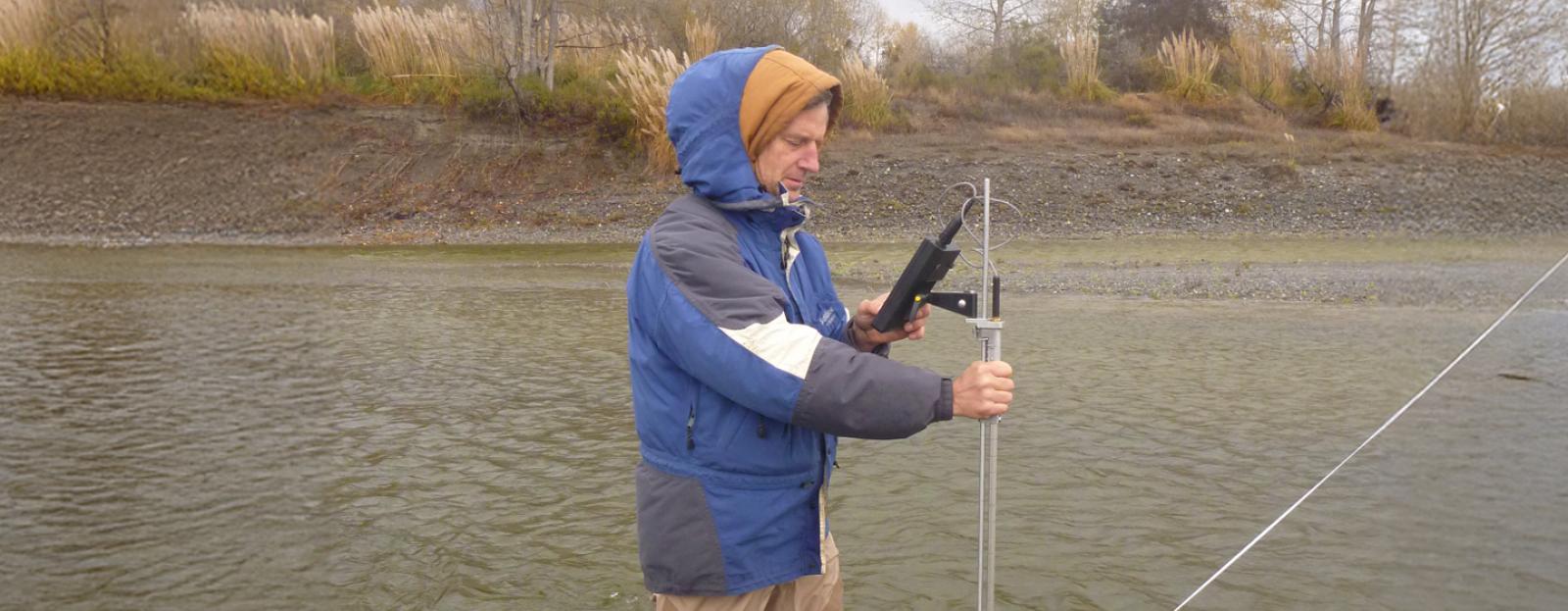
I’m the owner of Applied River Sciences, formerly McBain Associates.
Please tell us a little bit about yourself.
I grew up in Northern California, spending much of my time fishing and becoming connected to rivers and water. I studied environmental engineering at Humboldt State University and earned my master’s in civil (hydraulic) engineering at UC Berkeley, which helped focus my career working on rivers. I currently live in Arcata, California, and typically spend my non-work time fishing and backpacking.
What is your area of expertise?
Fluvial geomorphology (river nerd), and facilitating, planning and implementing large-scale restoration projects on rivers, particularly those downstream of dams.
What is your primary motivation for doing the work that you do?
My main motivation is love of rivers, and the complexities of how the different parts (sediment, water, vegetation, fish, frogs, birds) interrelate and are dependent on fluvial processes. Another is being able to actually change how rivers are managed to improve their ecological function while also continuing to provide services (water, sediment, fish) for human use.
What would you say is your greatest accomplishment?
Creating a stimulating and effective work environment for our employees, an environment that provides them with the satisfaction of making positive changes to our rivers. Some of our company’s biggest accomplishments include the development of new flow release regimes that are currently being implemented at several regulated streams in California and Oregon. And seeing fishery recovery in some of the streams that are partly associated with those new flow regimes (Clackamas River, Tuolumne River, Trinity River, Mono Lake).
What do you strive to achieve in the future?
Paying it forward – meaning training and inspiring the next generation of engineers and ecologists to continue and improve upon the important river ecosystems work that Applied River Systems has accomplished over the past 30 years.
Have you ever thought about the name HOBO and what it might mean?
Nope, not until now. 😊
What HOBO monitoring products do you use on a regular basis?
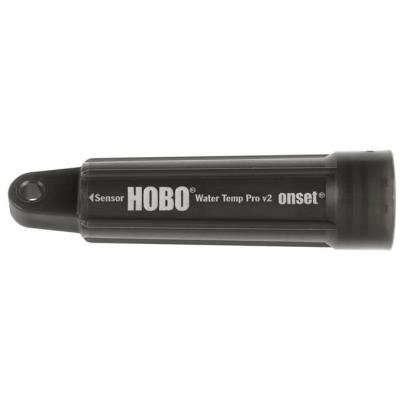
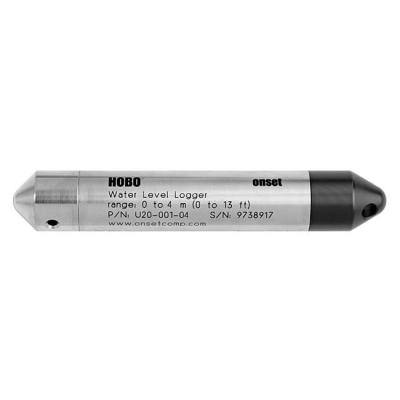
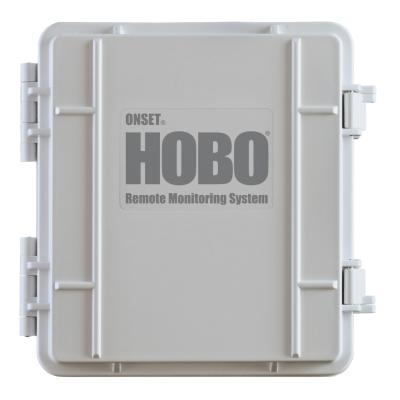
We use HOBO U22 water temperature sensors, U20 pressure transducers, and RX3000 stream gaging stations.
Please describe a specific project of yours where HOBO data loggers played a key role.
Most of our instream flow development projects require accurate information on water stage & flow (gaging stations) and water temperature – as a basis for those instream flow recommendations. How much water is in the system at any given time, the temperature of that water, and how those factors changes with different seasons and water year types.
For example, on the Shasta River in northern California, we installed a network of HOBO gaging stations in the watershed to measure impaired flows on the river and in irrigation ditches, which enables us to accurately compute unimpaired flows. We also placed a network of water temperature sensors to better understand impaired and unimpaired water temperatures through the different seasons. We then frame our instream flow recommendations downstream of major diversions based on unimpaired flows and water temperatures.
What HOBO features do you consider most important?
Reliability and ease of use, as many of our stations are in remote locations.
Do you think accurate data can help you build a better tomorrow?
It is crucial to instill confidence in accurate stage and water temperature data, as it translates to confidence to our clients and the public in the flow recommendations and restoration work that we do on our projects.
To monitor river water level, flow, and temperature remotely.