Image

What is your current occupation?
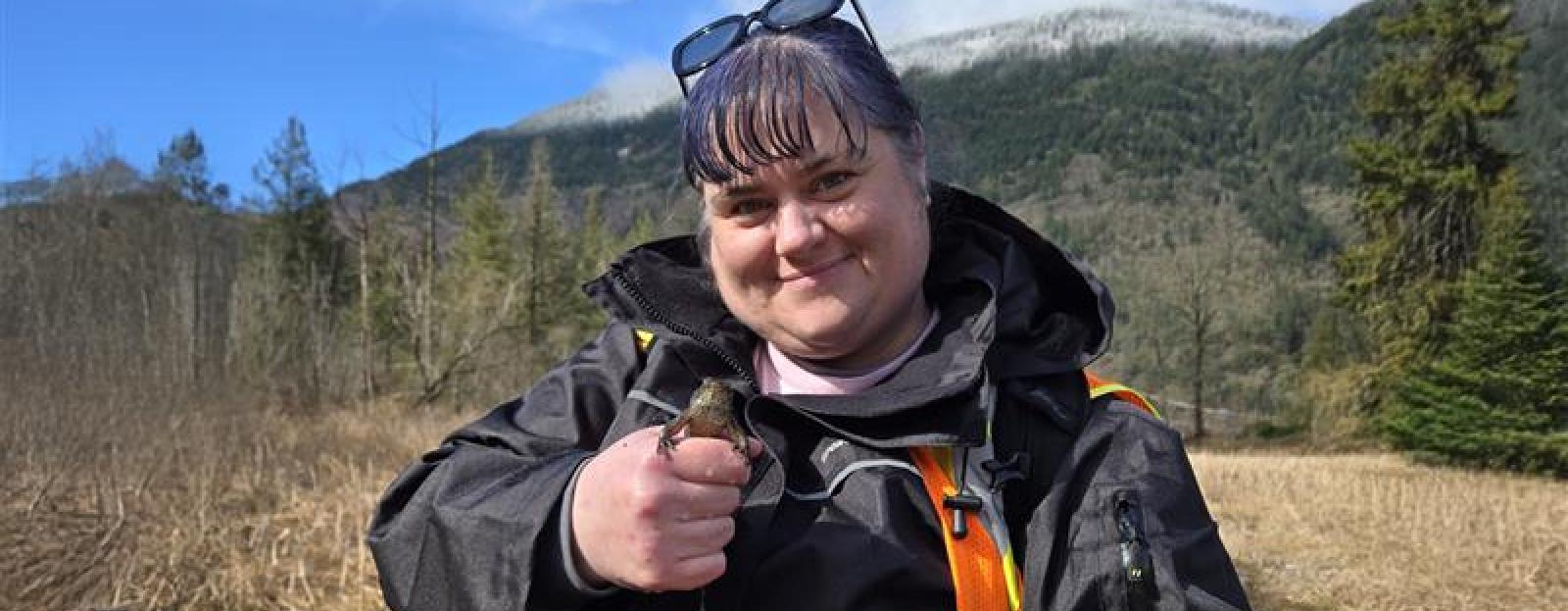
I’m a professional biologist. My current job title is Acting Team Lead of Natural Resources & Referrals, and I work for Seabird Island Band’s Inter-Government Affairs Department. Three divisions report directly to me: Fish & Wildlife, Natural Resources, and Referrals. I provide leadership, supervision, and oversight for a broad portfolio that includes staff management, referral coordination, and natural resource stewardship.
Please tell us a little bit about yourself.
I was born and raised in North Delta, part of the Metro Vancouver Regional District in British Columbia, and am now based in Agassiz, which is in the Fraser Valley Regional District. I completed my post-secondary studies at the British Columbia Institute of Technology (BCIT) in Burnaby, where I received a Diploma of Technology in Fish, Wildlife & Recreation Management and later a Bachelor of Technology degree in Ecological Restoration. In addition to working at the job I love, these days I’m focused on my well-being and living my best life.
What is your area of expertise?
My area of expertise is fisheries/marine biology, along with math, geography, and mapping.
What is your primary motivation for doing the work that you do?
My primary motivation for doing the work that I do is to fulfill my passion for being out in the field, assisting nature with its recovery.
What would you say is your greatest accomplishment?
To date, my greatest accomplishments have been successfully completing my education at BCIT, becoming a professional biologist, marrying my husband, and staying connected with my loving family.
What do you strive to achieve in the future?
Personally, I look forward to a new home and new vehicle in the future, as well as living a healthier lifestyle. Professionally, at work, I hope to be recognized for my efforts and additional credentials while working to help Seabird lead notable restoration projects with our numerous project partners.
Have you ever thought about the name HOBO and what it might mean?
I had not, but this question prompted me to do some searching online, where I found an article that suggested that HOBO can be broken down to “Honest Observer by Onset.” And this really captures what HOBO data loggers do for us. They capture real-time information. They are our “eyes” in the field, 24/7, to tell us the story of what’s happening there.
What HOBO monitoring products do you use on a regular basis?
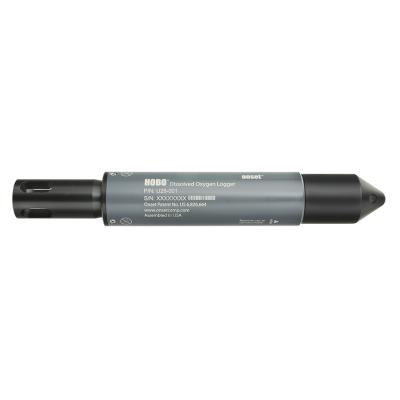
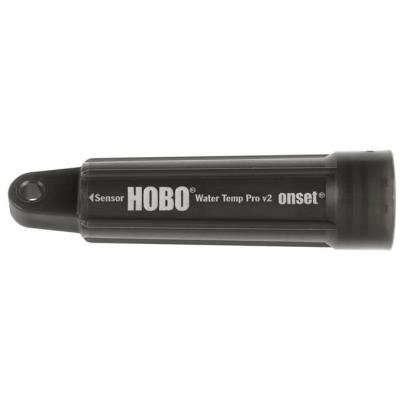
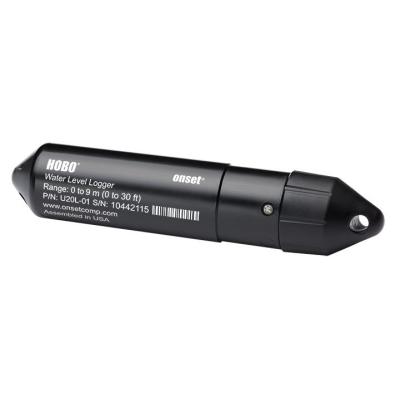
We use HOBO U26 loggers for measuring dissolved oxygen, Water Temp Pro v2 loggers for measuring temperature, and U20L loggers for measuring water level. More recently, we’ve started using HOBO MX801 Multiparameter Water Quality loggers, which work with sensors that can measure conductivity, temperature, depth (CTD) and dissolved oxygen.
Please describe a specific project of yours where HOBO data loggers played a key role.
HOBO loggers play a significant role in all our restoration projects, because they provide accurate, reliable data we need to help ensure sustainable fisheries and habitats in our territory. As we continue to acquire more of the loggers, we’ll be able to more readily target the highest priority locations for future projects and any areas of concern for point/non-point source contamination in the environment. Currently, my colleague at Pearson Ecological is leading several restoration projects in Agassiz, where she’s using HOBO loggers in work that’s intended to improve habitat quality for salmonids, fish access to upper sections, and eventually a full reconnection to the Fraser River at the northern end of Seabird Island.
What HOBO features do you consider most important?
While accuracy and reliability are clearly important, I’m particularly excited about the Bluetooth capability of our new MX801 loggers. We aim to upgrade the rest of our loggers over time, as Bluetooth enables us to read out our loggers quickly and efficiently in the field.
Do you think accurate data can help you build a better tomorrow?
Absolutely! Data is the backbone of my work as a biologist and the more accurate it is, the more it helps me help the environment!
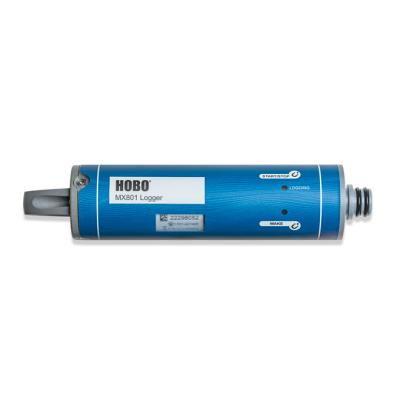
To measure water level and multiple water quality parameters across a municipal stormwater drainage system