Image

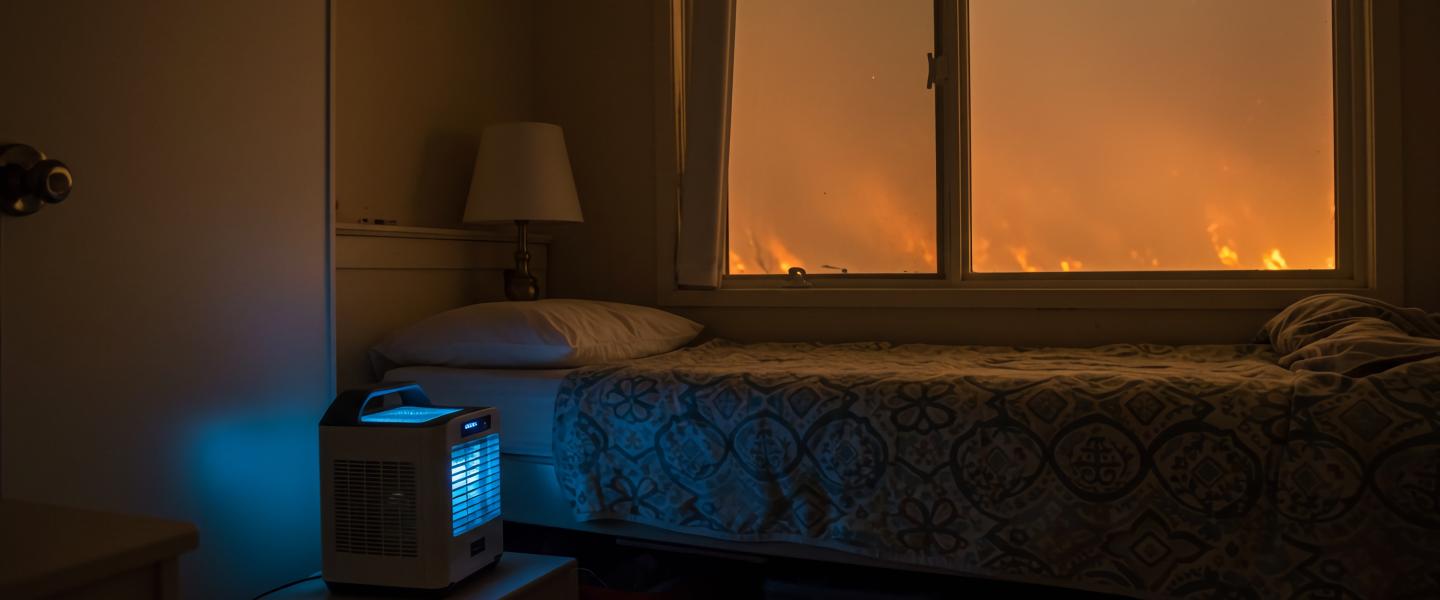
Accurately evaluating indoor air cleaning interventions requires more than simple on/off measurements; It demands detailed insight into how devices actually operate in real-world environments.
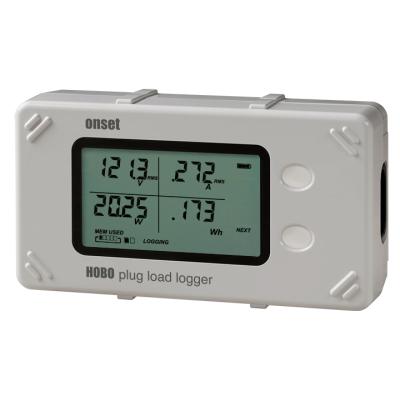
The experts in this HOBO Thought Leader webinar explore and explain how operational plug load monitoring can enhance the interpretation of indoor air quality (IAQ) data across a range of intervention studies. This session draws on recent field experience from three real-world settings: homes of U.S. military veterans in Chicago, K–12 schools across Illinois, and California homes using evaporative coolers during wildfire smoke events.
This webinar is ideal for researchers, building scientists, and IAQ professionals seeking to strengthen real-world intervention studies with more nuanced operational data and improved interpretation of indoor particulate matter measurements.
Aditya Singh is a Ph.D. Candidate in Environmental Engineering at Illinois Tech. Aditya's most recent work is regarding the EPA-funded "Filtration for Respiratory Exposure to wildfire smoke from Swamp Cooler Air" (FRESSCA) project. Aditya is passionate about indoor air quality, building systems, and enclosures.

Mingyu Wang is a Ph.D. candidate in Architectural Engineering at Illinois Institute of Technology. She is also the VP of the ASHRAE IIT branch. Her research interests include characterizing indoor pollutant dynamics and building energy efficiency, and her recent research focuses on PAC usage at schools and the impacts of air filtration interventions.
Saeed Farhoodi is a Ph.D. Candidate in the Department of Architectural Engineering at the Illinois Institute of Technology. His research focuses on indoor air quality, air cleaning technologies, and building enclosure performance, with an emphasis on particle and viral transport, penetration, and removal in buildings. His work includes field and intervention studies evaluating the real-world performance of portable air cleaners and germicidal ultraviolet apparatus, as well as measurements of fine and ultrafine particle penetration in residential buildings in Chicago.
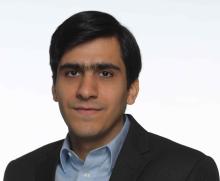
Dr. Mohammad Heidarinejad is an Associate Professor in the Department of Civil, Architectural, and Environmental Engineering at the Illinois Institute of Technology in Chicago. He is Co-Director of the Built Environment Research Group (BERG), where his research focuses on building energy and environmental systems, building automation and controls, computational fluid dynamics, and indoor air quality.

Dr. Brent Stephens is the Arthur W. Hill Endowed Professor in Sustainability and Department Chair in the Department of Civil, Architectural, and Environmental Engineering at the Illinois Institute of Technology. He co-directs the Built Environment Research Group, where his research focuses on energy, air quality, and human health in the built environment.