Image

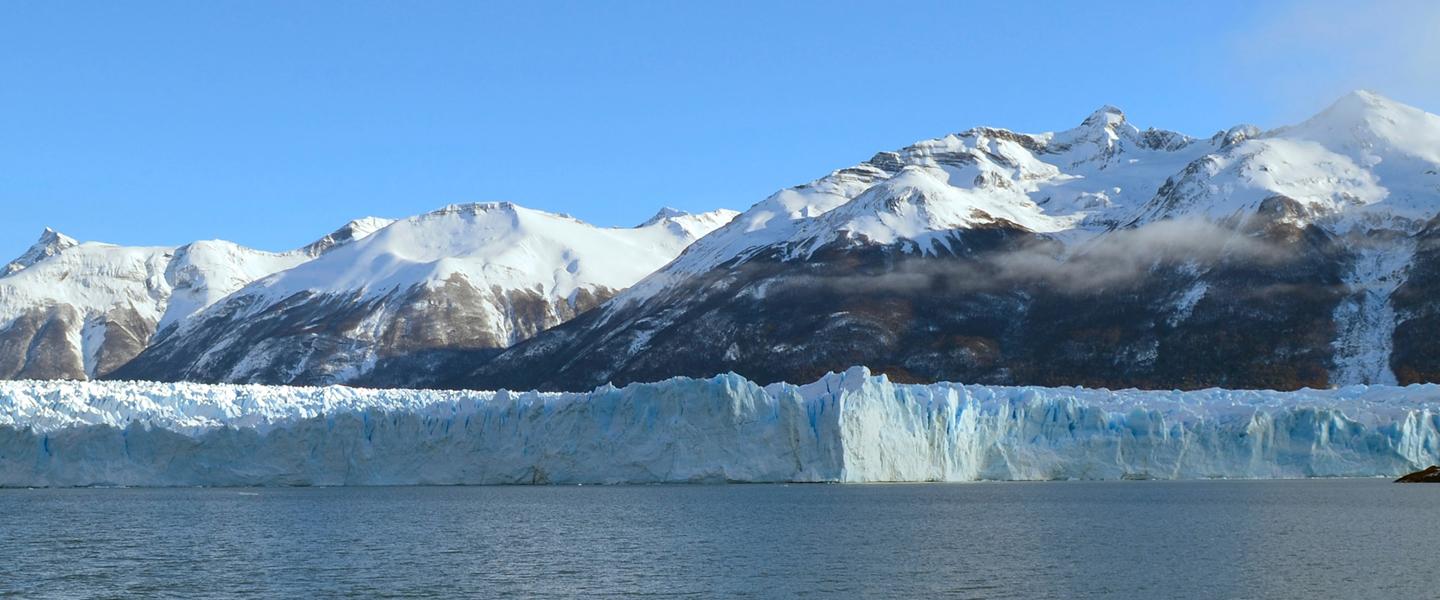
As the relationship between climate change and extreme weather events continues to intensify, scientists have found that mountainous regions are warming far faster than the global average. This phenomenon—known as elevation-dependent warming (EDW)—is disrupting ecosystems, water supplies, and weather patterns—and sharply increasing periglacial hazards and high-altitude natural disasters.
This HOBO Thought Leader webinar shares how meteorological monitoring is key to understanding and addressing these changes.
Presented by climate monitoring experts Mikheil Elashvili, PhD (Ilia State University & Bridgewater State University), and Robert Hellström, PhD (Bridgewater State University), this session explores two case studies addressing similar research questions on opposite sides of the Earth: the Greater Caucasus, at the crossroads of Europe and Asia, and the Cordillera Blanca, part of the Andes range in South America.
Don’t miss this opportunity to learn about EDW and discover why high-altitude meteorological monitoring is essential to understanding and addressing climate change.
Dr. Mikheil Elashvili holds a dual professorship at Bridgewater State University in Massachusetts and Ilia State University, Republic of Georgia. He earned a master’s degree in applied mathematics & informatics from Tbilisi State University, Republic of Georgia, and a PhD in geophysics from the Institute of Geophysics, Georgian National Academy of Sciences. Dr. Elashvilie co-leads several international initiatives, most notably the 7C Consortium (Caucasus Crossroads Core – Climate Change and Culture Connections Consortium), which is focused on the investigation of the intersections between climate change and human-environment interaction in the Caucasus region.
A professor of geography at Bridgewater State University, Dr. Robert Hellström earned his master’s and PhD in atmospheric sciences at The Ohio State University. Specializing in snow processes in forests, urban microclimate variability, and mountain meteorology, Dr. Hellström designs and maintains weather sensor networks to monitor climate change induced warming and extreme precipitation in regions with complex landscapes. He takes pride in mentoring students through research projects related to meteorology & climate with field locations in the northern Andes of Peru, local farms, local K-12 schools, and the BSU campus.