Image

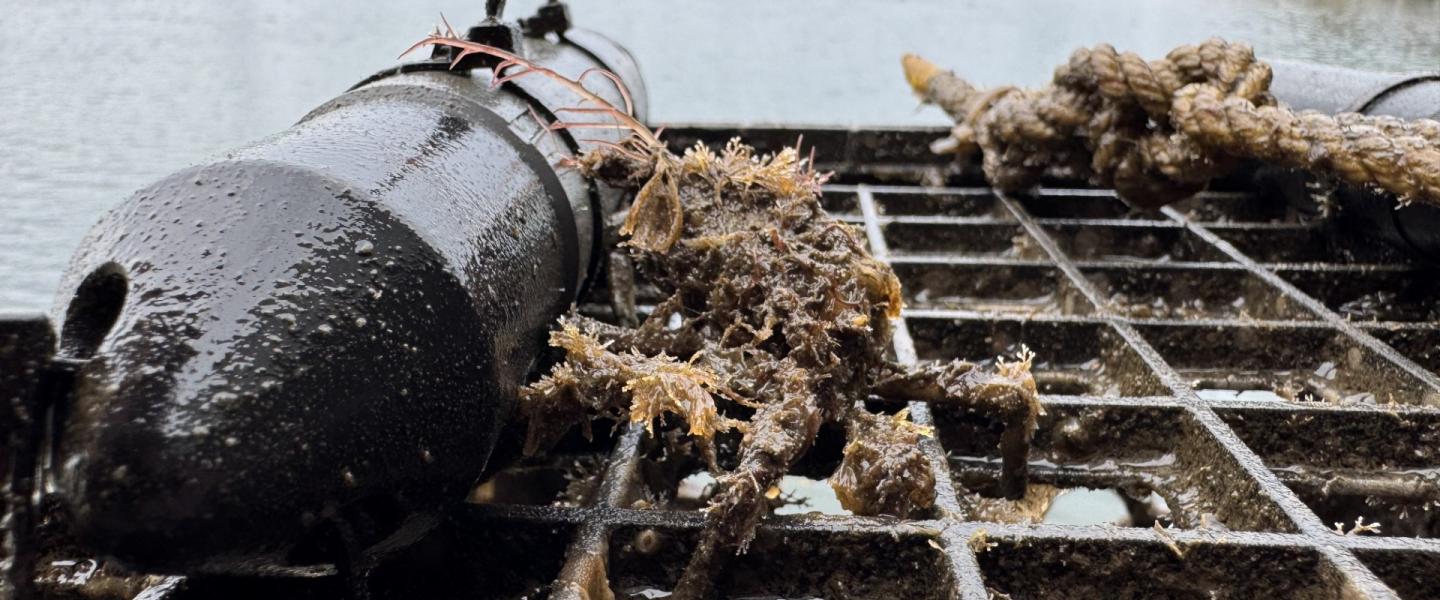
Collecting reliable dissolved oxygen data in coastal environments can be challenging—especially when dealing with long-term deployments, biofouling, and large volumes of sensor data.
These challenges can impact data quality, increase maintenance demands, and make it more difficult to confidently interpret environmental trends over time.
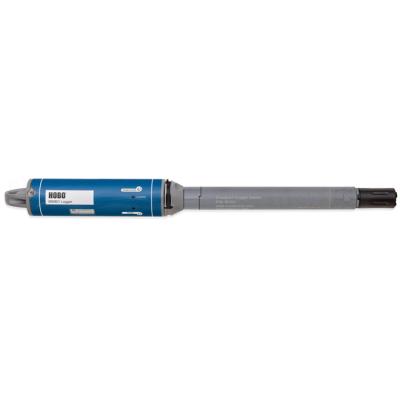
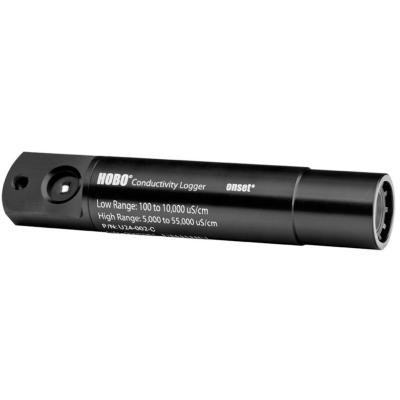
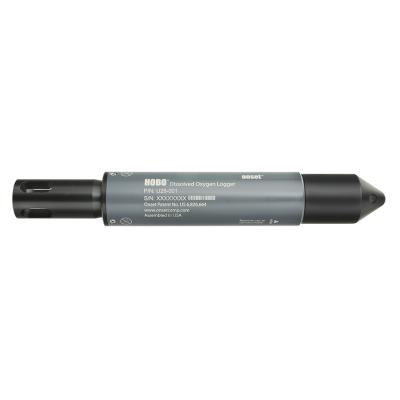
In this webinar, researchers from Buzzards Bay Coalition and Woodwell Climate Research Center share how they are collecting, managing, and quality-controlling dissolved oxygen data across Buzzards Bay using HOBO water quality loggers, in collaboration with partners at UMass Amherst and Woods Hole Oceanographic Institution.
Get a detailed look at how their monitoring program is designed and implemented in practice, including lessons learned from field deployment through data analysis.
If you're involved in coastal or watershed monitoring and looking to improve data reliability, streamline data workflows, or scale your monitoring efforts, this session will provide practical, field-tested insights you can apply to your own work.

Post-Doctoral Researcher, Woodwell Climate Research Center
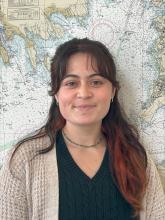
Research Assistant, Buzzards Bay Coalition