Image

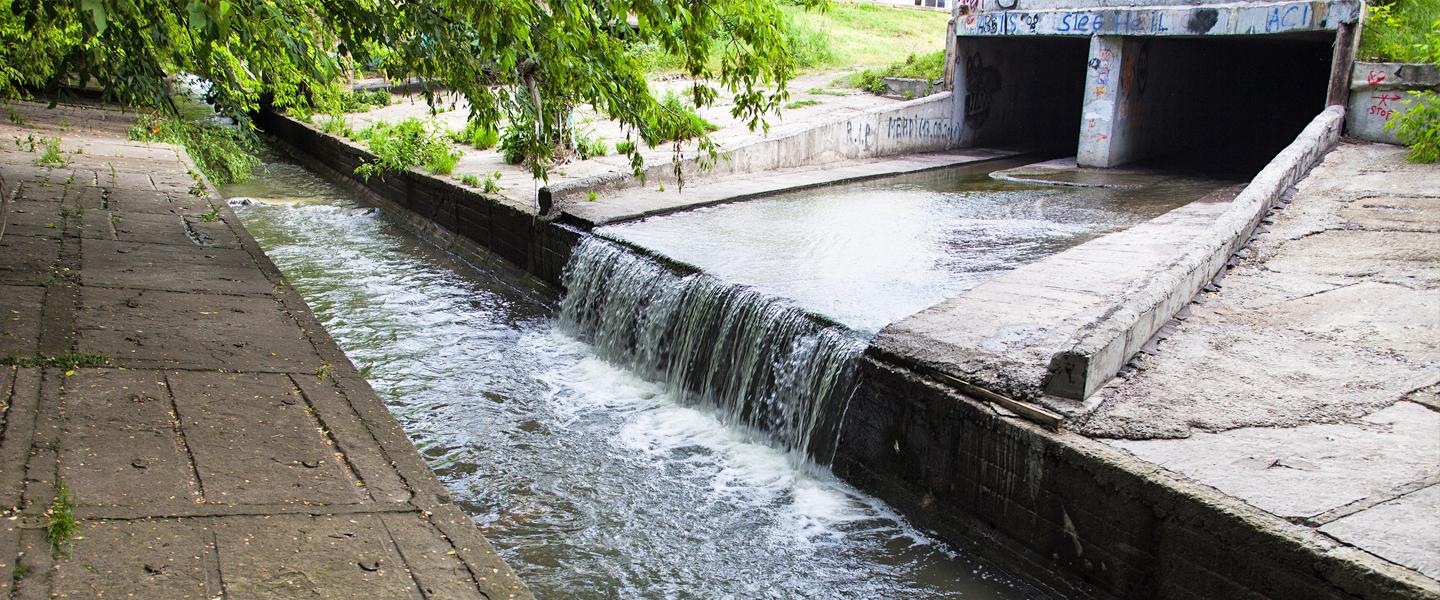
The Department of Public Works (DPW) in a New England city was struggling with monitoring and maintaining water quality across its stormwater drainage systems. Traditional inspection methods, like manual sampling, were inefficient and time-consuming, leading to delays in detecting pollution and addressing potential environmental hazards. Additionally, the DPW couldn’t integrate data from multiple sites, which complicated its decision-making process for water treatment and infrastructure improvements.
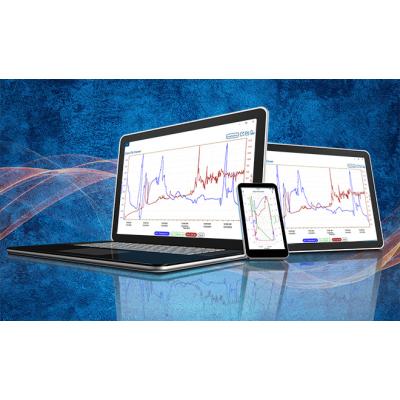
To streamline its monitoring processes, the DPW’s stormwater management team selected the HOBO MX801 Multiparameter Water Quality Data Logger, a highly customizable solution featuring interchangeable sensors for measuring conductivity, temperature, depth (CTD), and dissolved oxygen, and the HOBO MX2501 pH Data Logger. Both loggers are powered by user-replaceable batteries and provide the convenience of Bluetooth technology, allowing for wireless data download right to a mobile device or Windows laptop running the free HOBOconnect app. The DPW deployed MX801 and MX2501 loggers alongside each other across key locations throughout the city’s stormwater system.
Since installing the loggers, the city has significantly decreased the time required to collect water quality data. Now, the stormwater management team can quickly identify and address any water level or water quality issues, which helps to prevent and reduce environmental risks. Also, the continuous monitoring system provides the comprehensive information the team needs to make informed data-driven decisions on infrastructure improvements and compliance with environmental regulations.
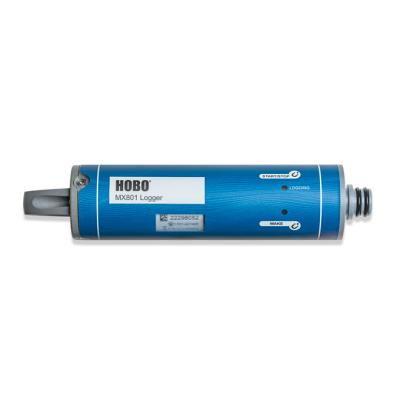
To measure water level and multiple water quality parameters across a municipal stormwater drainage system
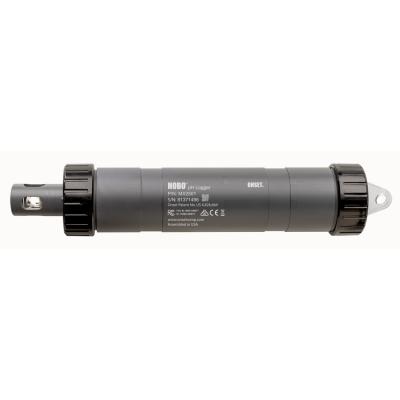
To measure pH across a municipal stormwater drainage system
|
To wirelessly offload temp/RH data from HOBO MX1101 data loggers |